
Three spaces, three different checks.
Check the light and temperature at the pot, including behind curtains at night.
Read the full advice Est. 1993Your thoughtful gesture
GARDEN PLANTS · GROWING GUIDE
Protection begins before a frost warning. Find out which plants can stay outdoors, which need shelter and which belong in a warm room; one covering cannot make every plant winter hardy.
By Ma Petite Fleur · Updated 4 October 2026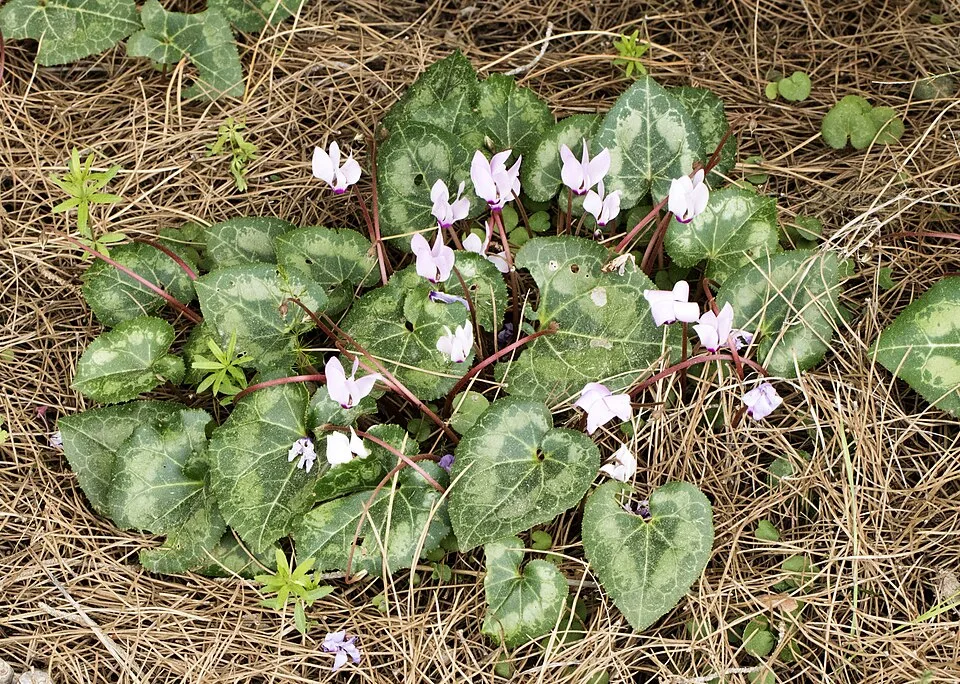
Cyclamen persicum flowers and patterned leaves, photographed outdoors. Indoor conditions are covered in the guide.
Photo: Zeynel Cebeci. CC BY-SA 4.0. Original photograph on Wikimedia Commons. Resized and converted to WebP; any card crop uses the same licence. Educational illustration; plants and cultivars vary.
THE SHORT VERSION
Check the light and temperature at the pot, including behind curtains at night.
Read the full adviceKeep each plant’s name and hardiness information with its pot.
Read the full adviceCheck drainage holes and avoid standing water. Move suitable pots to a sheltered position and insulate containers where needed.
Read the full adviceYOUR COLD-WEATHER PLAN
Check the light and temperature at the pot, including behind curtains at night. Keep foliage away from radiator heat and cold draughts. Check moisture before watering: central heating and a cool room can affect drying differently.
Review your indoor routineCheck drainage and shelter. Winter rain can leave a container saturated, while an evergreen under cover may still need water. Group suitable pots in a sheltered position and protect vulnerable roots without blocking drainage.
Care for container treesIdentify the plant and its hardiness before choosing protection. Plan frost-free shelter where needed. Use suitable temporary covering when frost is forecast; a hardy neighbour’s routine does not prove a tender plant can stay outside.
Plan by plant and season| Trigger | Check now | Next step |
|---|---|---|
| Frost is forecast | Plant hardiness, exposed pots and available shelter. | Move or cover vulnerable plants with appropriate protection before the cold arrives. |
| Persistent rain | Drainage holes, saucers and saturated compost. | Remove outdoor saucers in winter and consider temporary shelter for waterlogged containers. |
| The heating goes on | Radiator proximity, pot moisture and overnight window temperatures. | Adjust the position and checks to the species; do not assume all pots need less water. |
| Leaves darken after frost | Which growth is affected and whether further frost is expected. | Do not rush to prune while further frost threatens. Assess the species and surviving growth first. |
References: RHS frost protection, RHS container maintenance and RHS houseplant care. Local forecasts and species instructions take priority over a fixed calendar date.
Keep each plant’s name and hardiness information with its pot. Tender plants may need a frost-free place, while hardy plants can still suffer in exposed containers. Plan the available shelter before moving pots, including daylight and space to inspect them.
Check drainage holes and avoid standing water. Move suitable pots to a sheltered position and insulate containers where needed. Roots in a pot are more exposed than roots in the ground. Use appropriate horticultural protection rather than sealing foliage in an unventilated plastic bag.
Use horticultural fleece or other suitable protection when frost threatens, following the plant’s requirements. Check ventilation and moisture afterwards. Avoid late-season nitrogen-rich feeding that encourages vulnerable soft growth. Protection is a routine of checks, not a one-time wrapping job.
Before bringing a plant indoors, inspect for pests. Keep tropical houseplants clear of cold glass, draughts and direct radiator heat. Water according to the pot and the species; a plant growing slowly in low light may take longer to dry. A heated room is not automatically a good overwintering space for every garden plant.
Assess the whole plant before making major cuts. Photograph damage and consult species-specific advice; brown foliage alone does not show what happened to the roots. Compare sheltered and exposed pots, then adjust your plan for the next cold spell.
Timings refer to UK conditions. Check the exact species, local weather and the instructions supplied with your plant.
WATCH & LEARN
English-language videos from the named publisher. Press play to load YouTube’s privacy-enhanced player; the written guide and direct video links also work without the player. Covers load from YouTube. Privacy details.
VIDEO · Royal Horticultural Society
RHS advice on frost damage. This is a recovery demonstration, not a promise that every plant can survive outdoors.
CONTINUE WITH GARDEN PLANTS