
Choose for your garden, then the season
Begin with the site: sun or shade, soil or container, mature size and exposure.
Read the full advice Est. 1993Your thoughtful gesture
GARDEN PLANTS · GROWING GUIDE
A garden can offer something in every season. Plan for the conditions you have: sunlight, drainage, wind and winter temperatures matter more than a long shopping list.
By Ma Petite Fleur · Updated 4 October 2026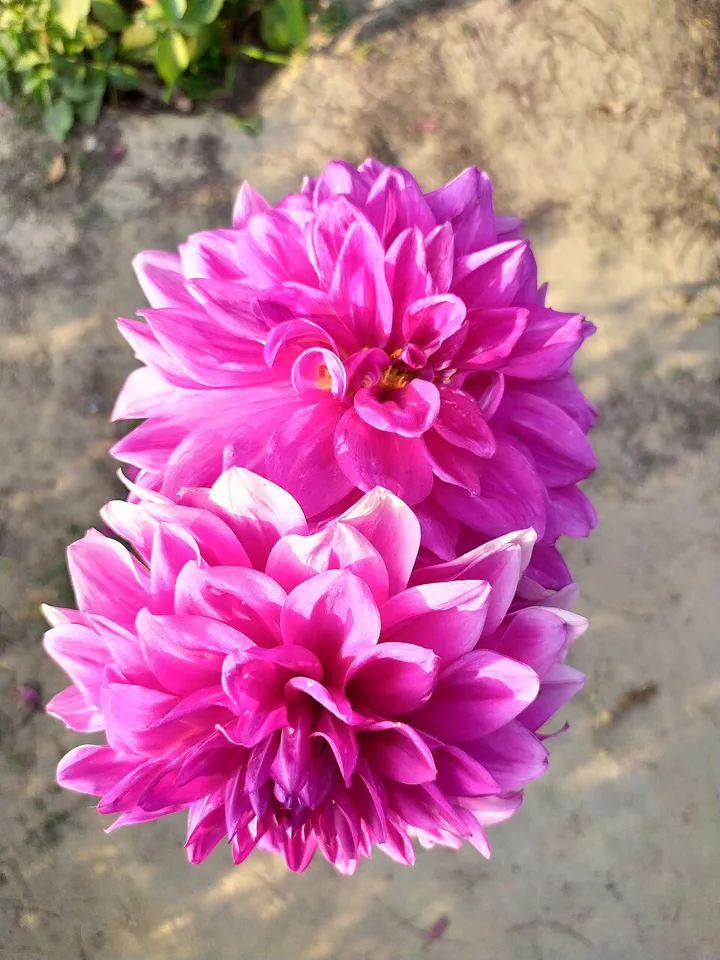
Dahlia flowers: one example of seasonal garden colour.
Photo: Masum-al-Hasan Rocky (Rocky Masum). CC BY-SA 4.0. Original photograph on Wikimedia Commons. Resized and converted to WebP; any card crop uses the same licence. Educational illustration; plants and cultivars vary.
THE SHORT VERSION
Begin with the site: sun or shade, soil or container, mature size and exposure.
Read the full adviceThese are UK starting points, not guaranteed flower dates. Cultivar, region and weather change the display.
Read the full adviceAn annual completes its life cycle in one year. A perennial lives for several years, but is not automatically frost hardy.
Read the full adviceYOUR FIRST STEP
Consider seating, paths and planting together.
Garden decorationCheck mature size before choosing for a small garden.
Small-garden treesRead the care needed for a tree growing in a container.
Container treesCHOOSE WELL · CARE WITH CONFIDENCE
Begin with the site: sun or shade, soil or container, mature size and exposure. Then use the seasonal calendar below. Nursery plants in flower are useful for immediate colour, but flowering in a shop does not prove that a plant will tolerate your garden’s winter.
A container has a limited root space and water reserve. Check compost moisture, drainage and the plant’s feeding requirements throughout the season. A dry spell or exposed position can change watering needs quickly; rain does not always wet compost under dense foliage.
Plan for more than one week of flowers. Combine suitable plants with different flowering periods and useful foliage, repeat a small number of pot styles and leave room for mature growth. Use the garden-design guide to balance seating, paths and planted areas.
Care reference: RHS container maintenance. Read the species and presentation guidance below.
Use your garden’s colours as inspiration for a separate cut-flower display indoors. Keep outdoor growing advice and vase care distinct: garden plants need suitable soil and conditions, while cut stems need clean water and their own maintenance.
Plan an indoor floral display| Season | Plants to consider | Useful job |
|---|---|---|
| Spring · March–May | Daffodils and tulips from autumn-planted bulbs; primulas and pansies for seasonal colour. | Plan the summer display. Keep tender bedding protected until frost risk has passed. |
| Summer · June–August | Roses, lavender and flowering perennials; tender bedding such as pelargoniums. | Water newly planted specimens and containers according to conditions; check mature spread. |
| Autumn · September–November | Late perennials and foliage; start planning next spring’s bulbs. | Plant spring bulbs at the timing recommended for that species; prepare winter shelter. |
| Winter · December–February | Hardy winter bedding such as pansies and primulas can flower in mild spells. | Check drainage and wind damage. Do not treat a warm week as the end of winter. |
These are UK starting points, not guaranteed flower dates. Cultivar, region and weather change the display. Buy using the full plant name and its hardiness label.
An annual completes its life cycle in one year. A perennial lives for several years, but is not automatically frost hardy. Herbaceous perennials may disappear above ground in autumn while their roots remain alive. Shrubs keep a woody framework. This distinction helps you avoid replacing a plant simply because its winter appearance changes.
How much direct sun reaches this spot? Does water linger after rain? How wide will the plant become? Keep those answers with the plant label. Lavender needs a sunny, well-drained place; hydrangeas need a position and watering routine suited to their type. Do not apply one pruning rule to every shrub.
Water the root area after planting and check it during dry spells. A large garden bed may remain moist while a balcony pot dries quickly. Keep roots from sitting in standing water. Use a mulch appropriate to the plant and keep it from piling against stems.
Timings refer to UK conditions. Check the exact species, local weather and the instructions supplied with your plant.
WATCH & LEARN
English-language videos from the named publisher. Press play to load YouTube’s privacy-enhanced player; the written guide and direct video links also work without the player. Covers load from YouTube. Privacy details.
VIDEO · Royal Horticultural Society
RHS advice on frost damage. This is a recovery demonstration, not a promise that every plant can survive outdoors.
CONTINUE WITH GARDEN PLANTS