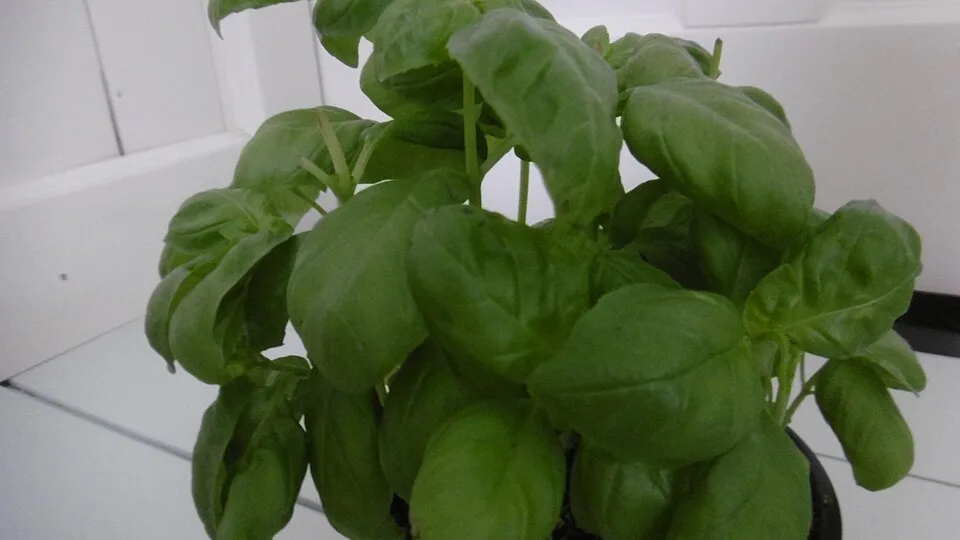
Do basil, mint and citronella plants keep insects away?
A fragrant balcony is enjoyable. It should not be sold as an invisible barrier against mosquitoes or flies. Choose herbs for their growing needs and useful harvest, and tackle insect problems at their source.
Iowa State University Extension explains that plants promoted as mosquito repellents, including scented geraniums, lemon thyme and citronella grass, do not repel nearby mosquitoes simply by standing on a patio.
Iowa State University Extension explains that plants promoted as mosquito repellents, including scented geraniums, lemon thyme and citronella grass, do not repel nearby mosquitoes simply by standing on a patio. The presence of aromatic compounds in a plant is not evidence that one pot protects a room.
What about basil, mint and lavender?
Grow these plants for cooking, scent or flowers where their care requirements suit the spot. Do not interpret an essential-oil experiment as proof that a living plant at the window will keep insects away. A claim about mosquitoes also does not establish protection against houseflies or compost gnats.
Citronella names can be confusing
Check the botanical label. Citronella grass and a citrus-scented geranium are different plants. Buying by fragrance or a marketing name makes it easy to get the wrong plant, and neither is a reliable substitute for insect prevention around a home.
Deal with the reason insects are there
Empty stagnant water from containers where possible, fit appropriate screens and cover food and waste. If tiny flies appear at the compost surface, investigate moisture and identify fungus gnats rather than adding a “repellent” herb to the same shelf. Different insects need different responses.
Keep garden experiments off your skin
Do not make skin treatments by rubbing crushed leaves or applying undiluted essential oils. If personal protection is needed, use an appropriate labelled repellent according to its directions. Enjoy a plant’s scent without turning it into an untested household treatment.