
Choose the position before the plant
Observe daylight through the day, including the difference between a windowsill and a shelf across the room.
Read the full advice Est. 1993Your thoughtful gesture
INDOOR PLANTS · DESIGN & CARE
Style a living room with healthy plants, suitable light, balanced arrangements and separate care for vase flowers.
By Ma Petite Fleur · Updated 4 October 2026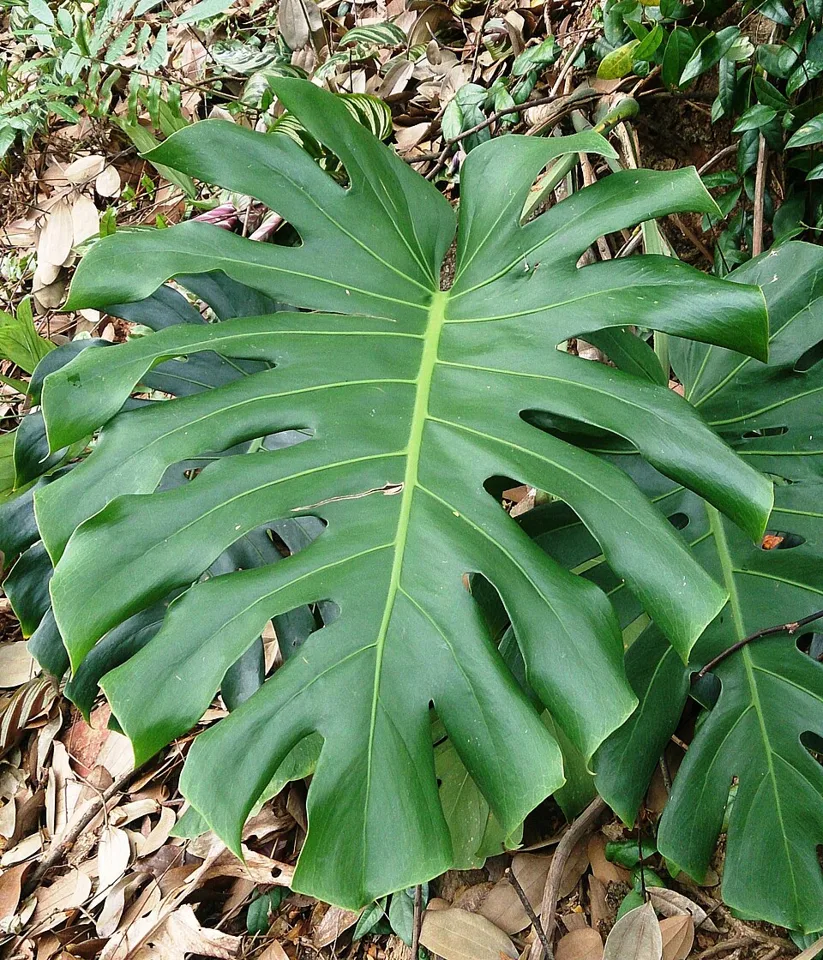
Monstera deliciosa foliage; mature leaves develop splits and holes.
Photo: Mokkie. CC BY-SA 3.0. Original photograph on Wikimedia Commons. Resized and converted to WebP; any card crop uses the same licence. Educational illustration; plants and cultivars vary.
THE SHORT VERSION
Observe daylight through the day, including the difference between a windowsill and a shelf across the room.
Read the full adviceChoose one plant whose mature shape fits beside a window.
Read the full adviceKeep a plant in a draining inner pot if you use a decorative outer container.
Read the full adviceObserve daylight through the day, including the difference between a windowsill and a shelf across the room. Match the plant to these conditions. A low-light plant still needs daylight; an unlit corner is not a permanent growing position. Keep foliage away from radiators and cold draughts. Leave curtains free to move and avoid blocking the light with several plants stacked behind each other.
Choose one plant whose mature shape fits beside a window. Allow for new leaves and access to the pot. A Monstera needs room to spread and may need support as it grows.
Repeat two or three compatible pots with different leaf shapes. Ensure each plant receives suitable light and that the shelf can carry the wet weight. Do not place a watering pot above electrical equipment.
Use a modest plant or a vase of cut flowers that leaves room for everyday use. Keep displays away from candles and protect the surface with a waterproof layer.
Keep a plant in a draining inner pot if you use a decorative outer container. Water where surplus can drain, then return it once excess water has stopped dripping. Check for trapped water. Inspect soil moisture rather than watering all plants on one fixed schedule. Wipe suitable broad leaves gently when dusty and check new plants for pests. If children or pets can reach a display, check the exact plant for toxicity before choosing it.
Cut flowers need a clean vase, fresh water and stem care; their water is not a reservoir for nearby rooted plants. Change the arrangement with seasonal flowers while keeping healthy foliage plants as the room’s longer-term structure. If a plant flowers indoors, follow its own light and moisture requirements rather than the routine for a leafy neighbour.
In spring, reassess plants that need a larger pot. In summer, watch hot glass and faster drying. In autumn, check whether shorter days leave a favourite shelf too dark. In winter, reduce watering when growth slows, according to the plant and compost, and keep leaves clear of heaters. Moving a pot for styling should still respect its light needs.
UK growing conditions are the starting point. Check the exact plant, your local climate and the care instructions supplied with it.
WATCH & LEARN
English-language videos from the named publisher. Press play to load YouTube’s privacy-enhanced player; the written guide and direct video links also work without the player. Covers load from YouTube. Privacy details.
VIDEO · Royal Horticultural Society
General houseplant guidance to help you choose a position. Use this article for the particular plant’s watering and flowering needs.
CONTINUE WITH INDOOR PLANTS